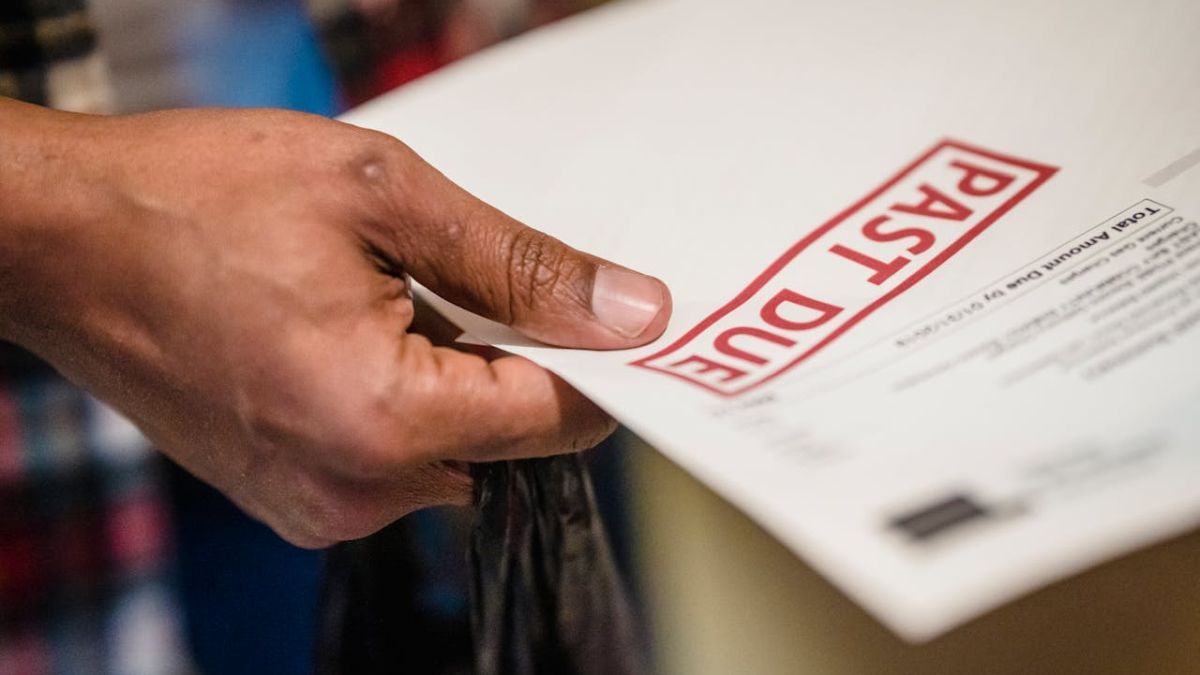
If you’ve recently lost a loved one, your grieving family is likely being hit with more than just sorrow. You may also be bombarded with bills, creditor calls, and legal paperwork. A common fear, if you don’t know about what happens to debt after you die, is that family will get stuck with the debt.
The good news? A deceased person’s personal debt doesn’t automatically transfer to family members or other Beneficiaries. But that doesn’t mean it just disappears.
Let’s walk through what really happens to debt after you die, and what steps the Personal Representative of a probate Estate must take.
Debt after Death: Secured vs. Unsecured
You may have received bills in the mail that the Decedent had at the time he or she died. This can include credit cards, personal loans, auto loans, and a mortgage.
One of the first things to do is to determine if the debt is secured or unsecured.
Secured debts have some asset attached to the amount. The two most commons types in our everyday lives are auto loans and mortgages. For these debts, the debt will stay with the asset until it’s paid off. There is also a significant risk of repossession is payments are not timely made.
Some secured creditors will work with the Personal Representative of a Decedent’s Estate. But they won’t wait forever. With secured debts, action is needed fairly quickly to prevent foreclosure.
For unsecured debts, these creditors must file a formal claim against the Decedent’s Estate. This will include things like credit cards, personal loans, and medical bills. There is generally not the same urgency for unsecured debts as there is for secured debts, since there is no underlying asset to repossess.
For our purposes, we will focus on unsecured debts.
Who Owes the Debt After You Die?

Unlike assets, liabilities can’t be given to someone at death. So if a parent passes away and the other parent is widowed, the survivor is generally not liable for the balance on the account. The exception would be if he or she was a joint account owner.
At the time of death, the Decedent still technically owes the debt. But the responsibility to pay belongs to his or her Estate, not surviving family members.
Creditors need to have a chance to get paid for outstanding balances. Each state has a Notice to Creditors period during which they must file a claim in order to be paid. This is where the debt gets resolved after you die.
Creditor Claims
In Tennessee, the Notice to Creditors period is four months from the date of the first publication of the Notice. This Notice runs in a newspaper of local circulation for two weeks. The Personal Representative of the Estate must send a copy of the Notice to Creditors to those whom he or she knows the Decedent may have owed money.
A claim against the Estate is a formal legal pleading. This means the Creditor must provide sufficient details what is owed and prove the claim. The Clerk of the Court sends a copy of the claim to the Personal Representative so that he or she can then assess the claim’s validity.
The Personal Representative must handle the Estate’s debts before distributing to the Beneficiaries. Once this is done, then the terms of the Decedent’s Last Will & Testament govern distribution, or the laws of intestate succession if there was no Will.
What Happens if a Debt is in Dispute?

It’s common that claims against the Estate are disputed. This can be for a number of reasons. The account may have been paid off before the Decedent died. Or the Personal Representative doesn’t have knowledge about the claim. Or the contract on which the debt is based is not legally valid.
The typical practice is for the Personal Representative’s legal counsel to file what’s called an exception to the claim. The exception is a formal dispute of the claim and can be based on a variety of different grounds.
If the Personal Representative has an exception filed, the Court will then hold a hearing on the exception. Quite frequently, the Creditor doesn’t even show up to the hearing. And even if they do, they often cannot provide sufficient proof to validate the debt.
In such situations, the Court would deny the claim. This could save the Beneficiaries of the Estate a lot of money, depending on the size of the claim. With savvy legal counsel, outstanding debts still owed after you die don’t have to eat away at your legacy.
Tips for Dealing with a Decedent’s Debts
If you’re receiving piles of bills, don’t just rush to pay them yourself. This may make things unnecessarily messy. Rather, assess whether the bills are for secured debts or unsecured debts first.
And for certain secured debts, like a mortgage, it’s especially important to determine if the house will be in the Estate at all. If the house is not a probate asset, the Estate cannot make those payments. This is a common error that many people make and will be discussed in a future article.
Some debts, like a car payment or a house payment, may need to be paid even before the Estate is open. In such case, keep detailed records of any payment you’ve made. These payments would be reimbursable to you from the Estate.
But we want to minimize this as much as we can. This is why retaining legal counsel promptly will help you handle these debts properly. If you’re not sure what to do, get professional advice immediately.
Closing Thoughts on Handling Debts After You Die
Dealing with a loved one’s debt after death can be stressful. But that doesn’t mean you need to start throwing money at these bills right away. It can often be best to get the Estate opened quickly so that the Estate will be the responsible party for the amount.
Connell Law, PLLC assists with probate in Rutherford County and the surrounding area. If you recently have lost a loved one who lived in this region, we can help guide you through the process and handling his or her Estate.
And if there is a substantial amount of debt, we will advocate on your behalf so that Creditors will have to prove the validity of their claims.
Reach out to us today to request a consultation.